Category: Blog

  • From Traditional Recreation to Digital Experiences: The Rise of Online Slots

    From Traditional Recreation to Digital Experiences: The Rise of Online Slots

    The way people enjoy entertainment has changed dramatically over the past few decades. Activities that were once limited to physical locations have gradually moved into digital spaces, creating new ways for audiences to interact with games and experiences. Online slot entertainment represents one example of how traditional activities have adapted to the expectations of the modern digital world.

    In the past, casino-style games were mainly associated with specific venues and required people to visit physical locations. The arrival of internet-based platforms changed this experience by making similar forms of entertainment available through digital devices. This shift introduced greater flexibility and allowed users to explore gaming options without the limitations of location or time.

    The digital environment has also changed how games are presented. Online slots are no longer simple recreations of mechanical machines. They have developed into visually rich experiences featuring creative themes, detailed artwork, and interactive elements. Developers now focus on creating memorable experiences that combine entertainment, imagination, and convenience.

    Changing lifestyles have played a major role in this transformation. Modern audiences often prefer activities that fit around their daily routines. The ability to access entertainment instantly through smartphones and computers has made online experiences more appealing to people who value flexibility and choice.

    The variety available online has further contributed to the growth of digital slot entertainment. Different themes, gameplay styles, and special features allow users to explore a wide range of options. Some titles include exciting reward systems and features connected to a slot jackpot, creating additional interest for those looking for engaging gameplay experiences.

    The growth of online entertainment has also encouraged companies to focus more on user satisfaction. Easy navigation, reliable performance, secure systems, and responsive customer service have become important parts of creating a positive digital experience. These improvements help platforms meet the expectations of audiences who are accustomed to high-quality online services.

    The influence of digital transformation can be seen across many industries, and online gaming is no exception. Traditional concepts continue to be reimagined through modern tools, allowing familiar forms of entertainment to reach new audiences in different ways.

    As technology and consumer habits continue to change, online slot entertainment will likely keep adapting. Future developments may introduce more immersive features, creative formats, and personalized experiences that reflect the changing relationship between people and digital media.

    The journey of online slots highlights a wider movement in entertainment: the transition from physical experiences to accessible digital environments. By combining familiar concepts with modern innovation, online slot platforms have become part of the ongoing evolution of how people discover and enjoy entertainment.

  • Braves Marcell Ozuna Waiver Candidate: Atlanta’s Surprising 2026 Roster Decision

    In baseball, every season brings a few surprises that fans never quite expect. Sometimes it’s a rookie breakout. Sometimes it’s a shocking trade. And sometimes it’s a tough roster decision that sparks debate across the fan base. Recently, conversations around the Braves Marcell Ozuna waiver candidate situation have started to grow louder, leaving many people wondering what could really happen in Atlanta’s clubhouse.

    We have watched the Braves build one of the most competitive rosters in modern baseball. The team has been known for smart front-office moves, long-term contracts, and a steady pipeline of young talent. But even successful organizations eventually face difficult decisions. Contracts get expensive, performance fluctuates, and roster spots become more valuable with every season.

    That’s where the current discussion comes in. Could Marcell Ozuna, once a key power bat for Atlanta, actually become a waiver candidate? It’s a question that mixes business realities, on-field performance, and the constant evolution of a championship-caliber roster.

    In this article, we’ll explore the situation from every angle. We’ll look at Ozuna’s role with the Braves, the reasons speculation has started, and what it might mean for the team moving forward.

    Overview

    Before diving deeper, it helps to understand the basics of the situation.

    Marcell Ozuna has been a recognizable name in Atlanta’s lineup for several seasons. Known for his ability to drive in runs and deliver big hits, he once served as a central piece of the Braves’ offensive strategy. When he was performing at his best, he brought power and presence to the middle of the batting order.

    However, baseball is a sport where consistency matters. Teams constantly evaluate whether players are delivering value that matches their contracts and roster spots. In the modern MLB environment, even veteran players can find themselves facing difficult roster evaluations.

    The phrase Braves Marcell Ozuna waiver candidate reflects speculation that the team could consider placing him on waivers if they decide to shift their roster strategy.

    Background

    To understand the conversation, we first need to look at Ozuna’s history with the Braves.

    When Atlanta signed him, expectations were high. He had already proven himself as a capable hitter earlier in his career, and the Braves hoped his power would strengthen an already dangerous lineup.

    For a while, that plan seemed to work. Ozuna delivered key hits, contributed home runs, and became part of a lineup that featured several dynamic offensive players.

    But baseball careers are rarely smooth from start to finish. Players experience hot streaks, slumps, injuries, and changes in their roles. Over time, Ozuna’s production began to fluctuate, which led to increasing scrutiny from analysts and fans.

    While he still had moments of strong performance, questions started appearing about whether his role on the team would remain the same.

    Performance

    One of the main reasons discussions about waivers appear is performance trends.

    For power hitters like Ozuna, expectations are usually tied to three things:

    When those numbers dip or become inconsistent, teams start to reassess how a player fits into the bigger picture.

    There have been stretches where Ozuna looked like his old self, launching home runs and producing clutch hits. But there have also been periods where his production slowed, leaving the Braves searching for other options to keep their offense balanced.

    If those metrics trend downward, front offices begin evaluating alternative solutions.

    Contract

    Another major factor behind the Braves Marcell Ozuna waiver candidate conversation is contract structure.

    Baseball contracts can be complex, especially for veteran players with multi-year deals. When a player earns a significant salary, teams expect them to contribute consistently at a high level.

    If production falls short of expectations, the financial commitment can become a challenge for roster flexibility.

    The Braves, like many competitive teams, must balance their payroll carefully. They already have several long-term deals with star players. That means every roster decision carries financial implications.

    If Atlanta believes a roster spot could be used more effectively elsewhere, they might consider options such as trades, bench roles, or waivers.

    Roster

    Atlanta’s roster strength is actually one reason Ozuna’s situation has become a talking point.

    The Braves have built a deep lineup filled with talent. Younger players continue to emerge from the farm system, and several established stars already hold key positions.

    When a team has that much depth, roster spots become extremely valuable. Managers and executives must constantly decide which players give the team the best chance to win both now and in the future.

    If a younger player starts pushing for more playing time, the team might need to make space. That’s often when waiver discussions begin.

    It doesn’t necessarily mean a player has no value. Sometimes it simply means the team’s direction is changing.

    Strategy

    Front offices rarely make decisions based on one factor alone. Instead, they look at long-term strategy.

    For Atlanta, the goal has been sustained success. Rather than focusing on just one season, the organization wants to remain competitive for many years.

    That requires constant roster adjustments.

    If management believes a different player or prospect could contribute more effectively, they may choose to make a bold move. Waivers are one tool teams use to reshape their roster without making a major trade.

    In some cases, placing a player on waivers allows the team to test the market. Other teams may claim the player, or he may clear waivers and remain with the club in a different role.

    Fan Reaction

    Whenever a well-known player becomes the subject of waiver speculation, fan reactions tend to be strong.

    Some supporters feel loyalty to veterans who helped the team during successful seasons. They remember big moments, clutch hits, and memorable games.

    Others focus more on performance and future potential. They argue that baseball is ultimately about winning, and tough decisions are sometimes necessary.

    The Ozuna situation has sparked both perspectives.

    Some fans believe he still has the ability to contribute. Others feel the team should move forward with younger or more consistent options.

    Either way, the conversation shows how deeply fans care about the direction of the team.

    Clubhouse

    Another important aspect is clubhouse chemistry.

    Veteran players often bring experience, leadership, and personality to a team. Even if their numbers fluctuate, their presence can still have value inside the locker room.

    Ozuna has spent years in the league and understands the pressures of professional baseball. Younger players sometimes benefit from that kind of experience.

    When teams evaluate roster changes, they also consider how those moves might affect team morale and chemistry.

    A decision that makes sense statistically still needs to work inside the clubhouse environment.

    Alternatives

    If the Braves were to move forward with a waiver decision, they would likely have several alternative plans ready.

    Teams rarely make roster moves without considering multiple scenarios. The goal is always to improve overall team performance.

    Atlanta’s front office has built a reputation for careful planning, so any decision involving Ozuna would likely follow thorough evaluation.

    League Dynamics

    Another factor is how the rest of the league might react.

    If a player becomes available on waivers, other teams have the opportunity to claim him. That means the Braves would need to consider whether another organization might see value in Ozuna’s skill set.

    Power hitters still hold appeal in many ballparks. A different team environment could potentially help a player rediscover strong production.

    Because of that, waiver decisions always carry a degree of uncertainty.

    Possibilities

    At this stage, the Braves Marcell Ozuna waiver candidate discussion remains largely speculative. Baseball rumors often circulate long before any official move happens.

    Several outcomes are possible:

    Ozuna could remain on the roster and continue contributing
    His role could shift into a part-time or bench position
    The team might explore trade possibilities
    Waivers could eventually become an option

    Baseball seasons are long, and circumstances can change quickly.

    A strong stretch of games could completely reshape the conversation.

    Perspective

    It’s also important to remember that baseball careers include ups and downs.

    Many players experience periods where their performance is questioned, only to bounce back with impressive seasons later.

    Ozuna has already shown he can perform at a high level. That history means teams will always recognize his potential.

    For the Braves, the decision ultimately comes down to timing. Are they better off keeping him as part of the roster, or does the team need to move in a different direction?

    That’s the kind of question front offices face every year.

    Future

    Looking ahead, Atlanta’s primary goal will remain the same: staying competitive in the league while building toward long-term success.

    Whether Ozuna continues with the team or eventually moves on, the Braves will keep focusing on roster balance, player development, and championship aspirations.

    Baseball is always evolving. New players emerge, strategies change, and teams constantly adjust.

    The Braves Marcell Ozuna waiver candidate conversation is simply one example of how quickly the landscape can shift in professional sports.

    Final Thoughts

    At the moment, the idea of Marcell Ozuna becoming a waiver candidate remains part of the broader baseball discussion rather than a confirmed decision. Still, the speculation highlights how competitive the Braves’ roster has become.

    Teams with championship ambitions must evaluate every position carefully. Contracts, performance, and future planning all play a role in shaping those choices.

    Ozuna’s story in Atlanta has included powerful hitting, memorable moments, and a significant presence in the lineup. Whether that chapter continues for several more seasons or eventually reaches a turning point will depend on how the Braves evaluate their path forward.

    For fans, the best approach may be patience. Baseball seasons are long, and narratives can change quickly. A few strong games can shift public perception overnight.

    Until any official move happens, the conversation remains part of the ongoing drama that makes baseball so fascinating. And as always in sports, the next inning can bring an entirely new story.

    Explore the latest entertainment news and reviews at Erome.

  • Unbanned G+: The Community That Refuses to Fade

    Unbanned G+: The Community That Refuses to Fade

    Social media trends come and go, but some platforms leave a deeper mark than others. Among them, Unbanned G+ has emerged as a phrase that sparks curiosity, nostalgia, and conversation among people who once enjoyed a different kind of social network. For many of us who experienced the golden days of Google+, the idea of “unbanned G+” represents more than a simple return. It reflects a longing for a platform where thoughtful discussion, organized communities, and meaningful connections were the norm.

    In today’s world of fast-scrolling feeds and algorithm-driven content, we often find ourselves remembering a time when social networking felt more personal. That’s where the idea of Unbanned G+ comes in. It symbolizes the hope that the spirit of that old platform — its culture, creativity, and unique structure — can somehow continue to exist.

    Let’s explore what Unbanned G+ really means, why it still matters, and why people continue to talk about it years after the original platform disappeared.

    Origins

    To understand the idea behind Unbanned G+, we first need to revisit the platform that inspired it. Google+ launched with the goal of creating a social network that felt more organized and meaningful than other platforms.

    At the time, many of us were already using social media regularly, but there was a growing sense that conversations were becoming messy and difficult to follow. Google+ tried to solve that problem by introducing tools that allowed people to control how they shared and interacted.

    The platform focused on thoughtful interaction rather than endless scrolling. Communities formed around shared interests such as photography, technology, writing, art, and gaming. Instead of random posts flooding a feed, we were able to participate in focused discussions.

    For a while, the platform became a home for people who wanted deeper conversations online.

    Meaning

    The phrase Unbanned G+ doesn’t refer to an official platform. Instead, it’s a symbolic term used by online communities that want to revive or preserve the experience of Google+.

    For many people, “unbanned” suggests freedom — the idea that the spirit of the platform should continue without restrictions or disappearance.

    In simple terms, Unbanned G+ represents three ideas:

    • A revival of the Google+ community culture
    • A continuation of the platform’s discussion style
    • A protest against the loss of a beloved social network

    When people talk about Unbanned G+, they’re often referring to new communities, forums, or social platforms that try to recreate the environment that once existed.

    Culture

    One of the biggest reasons people still talk about Unbanned G+ is the culture that developed there. Unlike many other social platforms, Google+ encouraged people to build niche communities.

    Writers shared long posts discussing their ideas. Photographers posted detailed albums and talked about their techniques. Developers shared code experiments and tutorials. Artists collaborated on creative projects.

    What made the culture unique was the sense of respect for discussion. Conversations often felt more thoughtful and less chaotic than what we see on many social platforms today.

    Communities were organized and moderated in ways that allowed people to stay focused on shared interests. This structure helped users feel like they were part of something meaningful rather than just another account in an endless feed.

    For many of us, that environment made the platform feel special.

    Features

    Another reason Unbanned G+ remains a popular topic is the memory of the features that made the platform stand out.

    Google+ introduced tools that were surprisingly ahead of their time.

    Circles

    Circles allowed users to organize their contacts into different groups. Instead of sharing everything with everyone, we could choose exactly who would see each post.

    For example, we could create circles for friends, family, coworkers, or specific communities.

    This level of control made communication feel more intentional.

    Communities

    Communities were the heart of the platform. These spaces allowed people to gather around shared interests.

    Some communities focused on photography. Others explored science, gaming, technology, or storytelling.

    Members posted questions, tutorials, discussions, and personal insights. Over time, many communities developed strong identities and loyal members.

    Hangouts

    Hangouts brought live interaction into the mix. Video discussions, group conversations, and even live broadcasts became common.

    For many creators, Hangouts were an early glimpse into what live streaming could become.

    Post Formatting

    Google+ allowed longer posts and simple formatting options, which made it ideal for storytelling and detailed discussions.

    Many writers used the platform almost like a blogging space where they could share ideas and receive feedback from their audience.

    These features helped create the type of social environment that people now associate with Unbanned G+.

    Shutdown

    Despite its passionate user base, Google+ eventually shut down. The decision came after several years of declining activity and growing competition from other platforms.

    Many users were surprised by how quickly things ended.

    Communities that had spent years building relationships suddenly had to search for new homes. Writers, artists, and creators who relied on the platform lost their main space for sharing content.

    For some people, the shutdown felt like losing a digital gathering place.

    That moment is what helped fuel the idea behind Unbanned G+.

    Nostalgia

    Nostalgia plays a powerful role in the ongoing discussion around Unbanned G+. Social networks often shape how we interact with others, and when one disappears, the memories remain.

    Many users remember late-night discussions, collaborative projects, and creative communities that thrived on the platform.

    Unlike modern platforms that prioritize viral content, Google+ often felt slower and more reflective. Posts could spark long conversations that lasted for days.

    This type of interaction is something many users feel is missing today.

    Unbanned G+ represents the desire to bring that atmosphere back.

    Communities

    After the shutdown, former users began searching for ways to keep their communities alive. Some moved to forums, while others joined smaller social networks.

    In many cases, groups that originally formed on Google+ continued communicating elsewhere.

    The phrase Unbanned G+ often appears in these spaces as a way to signal shared history. When someone mentions it, others immediately recognize the connection.

    It acts almost like a digital badge that says, “We were part of that community.”

    Over time, this shared identity helped former users stay connected even after the platform disappeared.

    Influence

    Even though Google+ is gone, its influence can still be seen across modern social media.

    Many features that were once unique to the platform eventually appeared elsewhere.

    Community-based discussions, group organization, and controlled sharing are now common across different platforms.

    While these features may not always function exactly the same way, they reflect ideas that Google+ helped introduce.

    The continued interest in Unbanned G+ shows that the platform had a lasting impact on how people think about online communities.

    Revival

    Every now and then, conversations appear online about bringing back the spirit of Google+. Some developers have experimented with creating alternative platforms inspired by its design.

    These efforts often focus on the same core ideas:

    • organized communities
    • thoughtful discussions
    • user control over sharing

    While none of these projects have fully replaced the original experience, they demonstrate how powerful the platform’s legacy remains.

    The concept of Unbanned G+ continues to inspire these attempts at revival.

    Lessons

    Looking back at the story behind Unbanned G+, we can learn a few important lessons about social media.

    First, technology alone doesn’t create strong communities. The people who participate and contribute are what truly bring a platform to life.

    Second, thoughtful design matters. Tools like circles and communities helped users feel more in control of their online experiences.

    Finally, online spaces can hold real emotional value. When a platform disappears, the relationships and memories built there don’t simply vanish.

    Unbanned G+ exists partly because those connections were meaningful.

    Modern Relevance

    Today’s social media environment is very different from the era when Google+ was active. Platforms focus heavily on quick engagement, viral content, and constant updates.

    In that environment, the idea behind Unbanned G+ feels almost refreshing.

    It reminds us that social media can be more than entertainment. It can also be a place for discussion, creativity, and collaboration.

    Many people who remember Google+ still look for platforms that prioritize these values.

    Whether those spaces appear on forums, niche networks, or new social apps, the goal remains the same: recreate the sense of community that once existed.

    Future

    The future of Unbanned G+ is less about rebuilding the exact platform and more about keeping its spirit alive.

    Communities evolve as technology changes, but the core ideas behind them often stay the same. People still want spaces where they can share ideas, learn from others, and build meaningful connections.

    As new platforms emerge, they may draw inspiration from what worked so well on Google+.

    The conversations around Unbanned G+ show that users still care about the quality of their online interactions.

    Conclusion

    Unbanned G+ isn’t a website or an official service. It’s a symbol of a social media experience that many people still remember fondly.

    For those who were part of that era, the platform represented a unique moment when online communities felt organized, creative, and deeply connected.

    Even though the original network disappeared, the conversations, friendships, and ideas that formed there continue to influence the way people think about social media today.

    In many ways, Unbanned G+ proves that a platform’s true legacy isn’t the technology behind it. The real legacy lies in the people who used it, the communities they built, and the memories they continue to share.

    And as long as those memories exist, the spirit of Google+ — unbanned and unrestricted — will continue to live on in the communities that refuse to forget it.

    Explore the latest entertainment news and reviews at Erome.

  • Wynonna Judd Performance Reactions: Why Her Voice Still Stops the Room

    Wynonna Judd Performance Reactions: Why Her Voice Still Stops the Room

    When we talk about powerful voices in country music, one name always comes up: Wynonna Judd. Her voice carries a depth that instantly captures attention. Whether she is performing a classic song from her early career or delivering a new emotional ballad, audiences often react in ways that show just how deeply her music connects with people.

    Over the years, wynonna judd performance reactions have become a major part of her story. Fans don’t just listen to her music—they feel it. At concerts, award shows, and tribute events, reactions range from thunderous applause to quiet moments where entire crowds simply stand still, absorbing the emotion in the room.

    What makes her performances so powerful? Why do audiences continue to respond so strongly after decades in the spotlight? Let’s explore the story behind those unforgettable reactions.

    Voice

    One of the biggest reasons for strong wynonna judd performance reactions is her voice. It’s rich, bold, and unmistakable.

    Many country singers have beautiful voices, but Wynonna’s sound has a unique texture. It blends strength with emotion in a way that feels both classic and modern. When she sings a slow song, her voice carries the story. When she sings an upbeat number, the power behind her vocals fills the room.

    Fans often describe hearing her live as a completely different experience from listening to a recording. Recordings capture the sound, but live performances capture the feeling.

    People in the audience frequently react the moment she starts singing. Sometimes the reaction is immediate applause. Other times it’s silence—the kind that happens when people are fully focused on every note.

    Roots

    To understand today’s reactions, we also need to look back at where Wynonna’s career started.

    She first gained major attention as part of The Judds, the legendary country duo she formed with her mother, Naomi Judd.

    During the 1980s, the duo produced hit after hit. Songs about family, love, and life resonated with fans across the country music world. Their performances became known for strong harmonies and heartfelt storytelling.

    Even back then, audience reactions were powerful. The chemistry between mother and daughter created something special on stage. Fans didn’t just see performers—they saw family.

    When the duo performed live, the audience response often included standing ovations, emotional cheers, and fans singing along to every word.

    Those early experiences helped shape the way people respond to Wynonna’s performances even today.

    Solo

    When Wynonna launched her solo career in the 1990s, many fans were curious about how she would evolve as an artist.

    The answer came quickly. Her solo performances showcased an even stronger version of her voice. Without the duo format, she had more space to explore different styles, emotions, and stories.

    Concert audiences reacted with excitement. Fans who loved her earlier work were thrilled to see her step into a new chapter.

    During these years, Wynonna built a reputation for powerful live shows. Her performances often included a mix of classic country, soulful ballads, and energetic stage presence.

    Audience reactions often included loud cheers after big vocal moments. When she held a note longer than expected or delivered a particularly emotional lyric, crowds responded immediately.

    Those reactions became part of the concert experience itself.

    Emotion

    A key part of wynonna judd performance reactions comes from the emotional depth she brings to the stage.

    Many artists sing songs. Wynonna lives them.

    Her performances often feel personal. When she sings about heartbreak, listeners believe it. When she sings about hope or strength, it feels genuine.

    This emotional authenticity creates a strong connection between performer and audience.

    Sometimes the most powerful reactions happen during slower songs. In those moments, the entire room becomes quiet. Fans listen closely, often swaying or holding phones with lights on.

    Then, when the song ends, the silence breaks into applause.

    That contrast—quiet emotion followed by loud appreciation—is a common pattern in many of her performances.

    Tribute

    In recent years, some of the strongest wynonna judd performance reactions have happened during tribute and memorial performances.

    After the passing of Naomi Judd, many of Wynonna’s performances carried even deeper meaning.

    Fans watching these moments often described feeling emotional themselves. The combination of grief, strength, and music created powerful scenes.

    At tribute events and special concerts, audiences often reacted with standing ovations. Some fans could be seen wiping away tears while applauding.

    These reactions weren’t just about the music—they were about honoring a legacy.

    Through those performances, Wynonna showed incredible resilience. Her ability to continue performing while carrying personal emotion made audiences admire her even more.

    Crowd

    Another reason wynonna judd performance reactions stand out is the energy between her and the crowd.

    Wynonna has always been known for engaging with her audience. She talks between songs, shares stories, and makes fans feel like they are part of the experience.

    That connection builds a strong atmosphere during live shows.

    Fans don’t just sit quietly—they sing along, clap, and cheer throughout the performance.

    Sometimes she encourages the crowd to join in on the chorus of a classic song. When thousands of voices sing together, the reaction becomes part of the performance itself.

    This shared energy makes every show feel unique.

    Presence

    Stage presence is another major factor behind strong audience reactions.

    Wynonna commands attention when she steps onto a stage. She doesn’t rely on flashy tricks or complicated choreography. Instead, she focuses on the music and the moment.

    Her body language, facial expressions, and vocal delivery all work together to create a memorable experience.

    Even simple movements—like stepping forward during a powerful note or pausing before a final chorus—can trigger big reactions from the crowd.

    Fans often say that watching her perform feels natural and authentic.

    That authenticity makes the performance feel real rather than staged.

    Fans

    The relationship between Wynonna and her fans plays a huge role in performance reactions.

    Many fans have followed her music for decades. They grew up listening to her songs, attended concerts over the years, and passed that music on to the next generation.

    Because of this long connection, concerts often feel like reunions.

    Fans react not only to the music but also to the memories attached to it. When a familiar song begins, people immediately recognize it.

    Sometimes cheers start before the first lyric is even sung.

    That kind of reaction shows how deeply her music has become part of people’s lives.

    Moments

    Every great performer has signature moments during live shows, and Wynonna is no exception.

    One common moment happens when she reaches the emotional peak of a song. Her voice rises, the band builds behind her, and the crowd senses something special coming.

    When she hits that big note, the audience often erupts into applause.

    Another memorable moment happens during quiet sections of songs. Instead of noise, the crowd responds with silence and attention.

    Those quiet reactions can be just as powerful as loud cheers.

    They show respect and emotional connection.

    Legacy

    Wynonna Judd’s career spans decades, and her legacy continues to grow.

    Few artists maintain such strong audience reactions over such a long period. Many performers experience popularity for a short time, but Wynonna’s impact has remained steady.

    Her ability to evolve while staying true to her roots helps keep audiences engaged.

    Fans who first heard her music in the 1980s still attend concerts today. Younger listeners discover her songs through family members, streaming platforms, or live performances.

    As a result, her audience continues to expand.

    Each new performance adds another chapter to her musical story.

    Media

    In the modern world, wynonna judd performance reactions don’t just stay inside the concert venue.

    They spread across social media, video platforms, and fan communities.

    People who attend concerts often share clips online showing the crowd cheering or reacting emotionally to her performances.

    These videos allow others to experience the moment even if they weren’t there.

    Sometimes a powerful performance goes viral, introducing her music to an entirely new audience.

    In this way, audience reactions become part of the artist’s digital presence.

    Influence

    Wynonna’s performances have also influenced many younger artists.

    New singers often study experienced performers to understand how to connect with audiences. Watching Wynonna on stage offers lessons in authenticity, emotional delivery, and stage confidence.

    Many artists admire how she balances vocal power with storytelling.

    Because of this influence, some of today’s performers try to bring similar emotional honesty to their own concerts.

    This shows that her impact goes beyond her own music.

    It shapes the broader culture of live performance.

    Future

    Even after many years in the industry, Wynonna continues to perform and connect with fans.

    Every new concert creates fresh reactions. Every audience brings a different energy. And every performance adds to the growing history of her live music legacy.

    Fans often attend shows expecting a great performance, but many leave feeling something deeper.

    They remember the emotional moments, the powerful vocals, and the shared experience of music in a live setting.

    That lasting impression is what keeps people talking about wynonna judd performance reactions long after the concert ends.

    Conclusion

    When we look at wynonna judd performance reactions, we see more than applause or cheers. We see a reflection of the powerful bond between an artist and her audience.

    From her early days performing with The Judds to her long and successful solo career, Wynonna Judd has consistently delivered performances that resonate deeply with listeners.

    Her voice, emotional honesty, and connection with fans all contribute to those unforgettable reactions.

    Crowds respond not only to the sound of her music but also to the stories and emotions behind it.

    In the end, the reason people react so strongly to Wynonna’s performances is simple: they feel real. And when music feels real, audiences can’t help but respond.

    That’s the magic of live performance—and Wynonna Judd continues to prove it every time she steps onto the stage.

    Explore the latest entertainment news and reviews at Erome.

  • Amanda Kate Lambert: Artist, Photographer, and Sinatra Legacy Keeper

    Amanda Kate Lambert: Artist, Photographer, and Sinatra Legacy Keeper

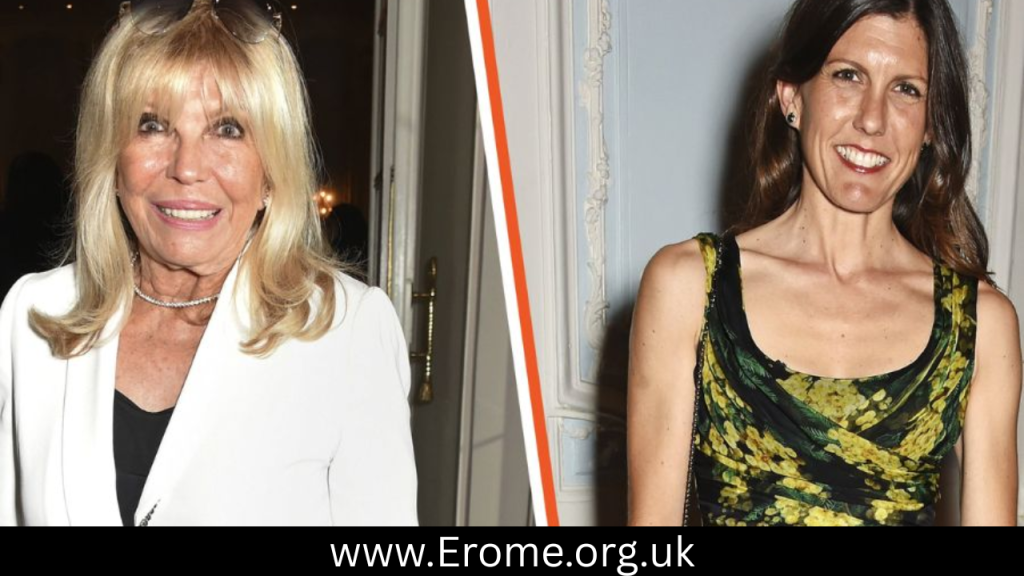
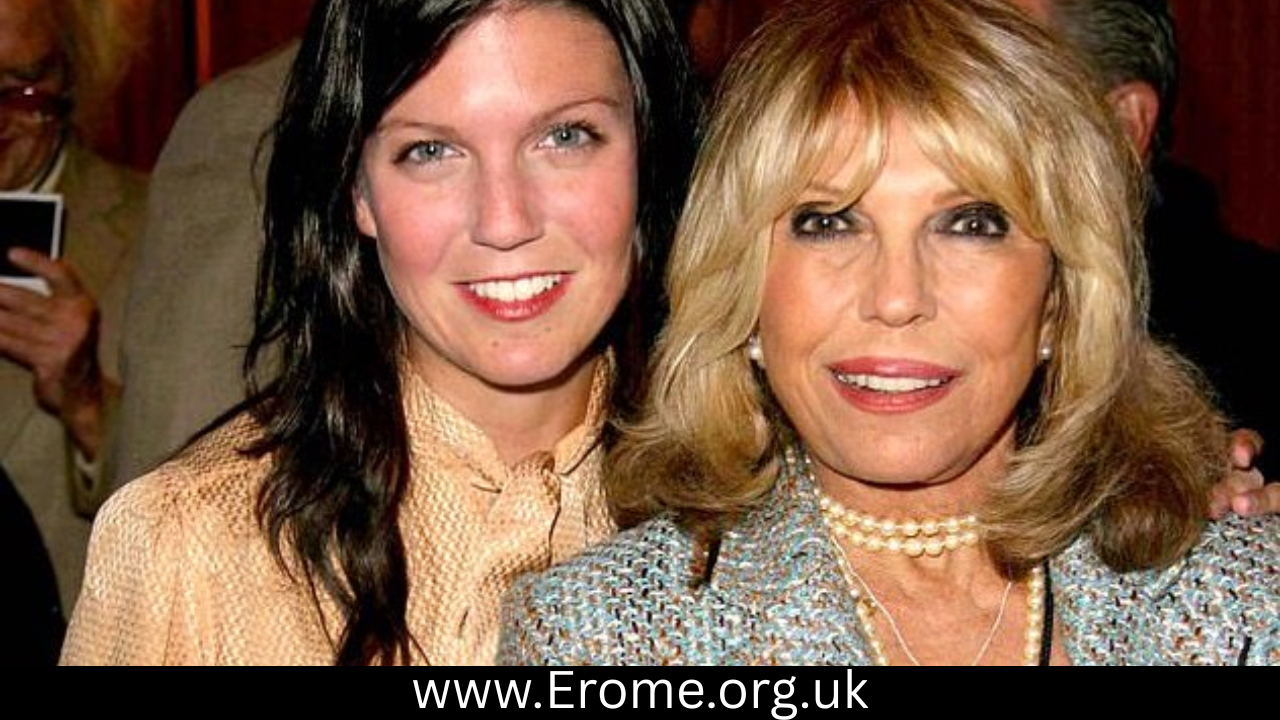
    Amanda Kate Lambert, often known professionally as Amanda Erlinger, is an American artist, photographer, and archivist, celebrated not just for her own creative achievements but also for being a member of one of the most iconic families in music history. Born into the legendary Sinatra family, Amanda has carved her own niche in the arts, preserving her grandfather Frank Sinatra’s legacy while also pursuing her personal passions in painting and photography.

    Quick Bio

    AttributeDetails
    Full NameAmanda Kate Lambert (Amanda Erlinger professionally)
    Date of BirthNot publicly disclosed
    AgeApproximate age: mid-40s (estimated based on family timeline)
    BirthplaceUnited States
    ParentsMother: Nancy Sinatra; Father: Not publicly detailed
    SiblingsAJ Lambert (sister, musician)
    SpouseMichael Erlinger
    ChildrenAnnabelle Erlinger
    HeightNot publicly disclosed
    ProfessionArtist, Photographer, Archivist
    Net WorthEstimated around $5 million (includes family inheritance and professional career)
    Known ForPreserving Frank Sinatra’s legacy, co-authoring Sinatra book, painting, photography
    Social MediaLimited public presence, mainly professional art profiles

    Early Life and Family Background

    Amanda Kate Lambert was born into a household steeped in musical history. Her mother, Nancy Sinatra, became a household name in the 1960s with hits like These Boots Are Made for Walkin’, while her grandfather, Frank Sinatra, remains one of the most celebrated singers and entertainers of all time. Growing up, Amanda was immersed in a world of creativity, music, and artistic expression, which clearly shaped her own pursuits later in life.

    Though she has largely kept a private life away from media attention, Amanda has often credited her grandfather with nurturing her artistic talents. Frank Sinatra, known for his perfectionism in music, had a softer, encouraging side when it came to Amanda’s creative endeavors. She spent countless hours with him in a private painting studio at his Rancho Mirage home, where the two would paint side by side. These experiences left a lasting impression on Amanda, fostering her passion for visual arts that continues to this day.

    Her sister, AJ Lambert, chose a path in music, carrying on the family’s musical legacy, but Amanda preferred a quieter life, focusing on painting, photography, and archival work. Despite their different professional directions, the sisters share a strong bond and deep respect for their family’s legacy.

    Career and Professional Life

    Amanda Lambert is known professionally as Amanda Erlinger. While she has not pursued a career in the limelight like many members of her family, she has made significant contributions to the arts, both through her personal work and her archival efforts.

    Art and Photography

    Amanda’s main professional focus is painting and photography. Her artistic style blends classic influences with a modern sensibility, often reflecting personal memories, family heritage, and abstract concepts. She has exhibited her work in private galleries and events, earning respect from fellow artists and collectors. Photography, in particular, has been a medium through which Amanda documents life, relationships, and history, sometimes intertwining her work with the Sinatra family legacy.

    Her grandfather’s influence is unmistakable in her approach to art. Frank Sinatra’s appreciation for aesthetics, detail, and emotional expression shaped Amanda’s creative mindset. The private studio sessions they shared gave her not only technical skills but also an understanding of how art can capture emotion and narrative, a philosophy she carries into all her work.

    Archival Work and Legacy Preservation

    Beyond creating art, Amanda plays a crucial role in preserving Frank Sinatra’s legacy. She co-authored the book Sinatra, published to commemorate the centennial of her grandfather’s birth. This work is more than a biography; it’s a carefully curated archival collection, featuring photographs, personal anecdotes, and previously unreleased materials that give readers an intimate glimpse into the life of a musical legend. Amanda’s contributions ensured that the narrative remained personal and authentic, highlighting her dual role as both a family member and a professional archivist.

    Her archival work involves extensive research, cataloging, and curation of materials that span decades of Sinatra’s career. Amanda has emphasized the importance of preserving not just the public image of her grandfather but also the personal stories and behind-the-scenes moments that defined him as a person. Her work ensures that future generations can access a more complete picture of Frank Sinatra, both as a performer and a family man.

    Personal Projects

    Amanda continues to explore personal art projects, often using her photography and paintings to express her own identity apart from the Sinatra legacy. These projects sometimes reflect themes of memory, family, and artistic exploration, offering a glimpse into her personal perspective. Her dedication to her craft demonstrates a balance between honoring her heritage and establishing her own voice in the art world.

    Personal Life

    Amanda Lambert’s personal life is a blend of family, art, and quiet dedication. She is married to Michael Erlinger, and together they have a daughter named Annabelle. Amanda often credits her family life as a source of inspiration for her creative endeavors, emphasizing the importance of balancing personal passions with responsibilities as a parent and spouse.

    Despite her family’s fame, Amanda has largely avoided the Hollywood spotlight. She prefers a private life, focusing on meaningful work and spending time with loved ones. Her commitment to privacy and authenticity sets her apart from other members of celebrity families who are constantly in the public eye.

    Her sister AJ Lambert, though also in the creative field, often takes a more public-facing role through performances and music releases. Amanda, in contrast, blends her public-facing archival work with private creative expression, maintaining a low-profile lifestyle that allows her to focus on substance over spectacle.

    Artistic Influence and Style

    Amanda’s artistic journey reflects a deep and personal connection to her family history. Growing up surrounded by iconic figures like Frank and Nancy Sinatra, she developed an early understanding of how art and performance intersect with personal identity. Her grandfather’s mentorship, especially in painting, instilled a belief that art should convey emotion and tell a story.

    Her photographic work often explores subtle moments of human experience, capturing emotions that are otherwise overlooked. Amanda has a talent for finding beauty in ordinary life, creating images that feel both intimate and universal. Her painting style often combines abstract elements with personal symbolism, allowing viewers to interpret her work through their own lens while still feeling the personal narrative embedded in each piece.

    Amanda’s style is described by peers as reflective, nuanced, and deeply connected to memory. Whether through a photograph or a painting, she seeks to evoke an emotional response, often drawing from her own experiences and family history.

    Read More: Dolphia Parker Blocker: The Woman Behind the Legendary Hoss Cartwright

    Preserving the Sinatra Legacy

    One of Amanda Kate Lambert’s most significant contributions is her work in preserving and promoting her grandfather Frank Sinatra’s legacy. The book Sinatra, co-authored by Amanda, was released to celebrate what would have been his 100th birthday. This project is a culmination of years of effort, research, and personal insight, offering fans and historians a rare look at Sinatra’s life from a family perspective.

    Amanda’s archival efforts extend beyond books. She has been involved in curating exhibitions, managing private collections, and ensuring that Frank Sinatra’s work is accurately represented in media and cultural history. Her attention to detail and commitment to authenticity have earned her recognition within archival and music history communities.

    Through her work, Amanda demonstrates that preserving a legacy is not just about maintaining public memory but also about honoring the personal stories, emotions, and relationships that define a person’s life. She bridges the gap between public legend and private reality, giving fans and historians alike a fuller understanding of Frank Sinatra as both an artist and a human being.

    Balancing Art, Family, and Privacy

    Amanda’s life is a careful balance between creative pursuits, family commitments, and privacy. She has intentionally chosen not to be a public figure, unlike many of her relatives in the entertainment industry. This choice allows her to focus on meaningful work and personal fulfillment rather than fame or media attention.

    Her role as a mother and spouse is central to her daily life. Amanda often incorporates personal experiences into her art, allowing her family and life experiences to inform her creative expression. This approach keeps her work authentic and deeply connected to her own perspective, rather than being influenced solely by public expectation or familial fame.

    Legacy and Impact

    Amanda Kate Lambert’s impact is multifaceted. She contributes to the arts as a painter and photographer, preserves one of the most important musical legacies of the 20th century, and maintains a private, meaningful life that prioritizes authenticity over publicity. Her work ensures that the story of Frank Sinatra remains rich, detailed, and personal, while also establishing her own identity as a serious artist and archivist.

    Her influence extends beyond family preservation. Amanda’s commitment to art and archival integrity serves as an example for others in creative and historical fields. By blending personal expression with professional rigor, she demonstrates how one can honor the past while actively contributing to the present and future of artistic and historical knowledge.

    Challenges and Triumphs

    Being part of the Sinatra family comes with unique challenges. The weight of public expectation and the scrutiny of being connected to a global icon could easily overshadow personal achievements. Amanda has navigated this with a focus on authenticity, creating work that is meaningful both personally and professionally.

    Her triumphs include successfully co-authoring a significant book, maintaining a respected position in the art world, and fostering a loving family life. While much of her work happens behind the scenes, her contributions resonate widely through her archival efforts and creative output.

    Conclusion

    Amanda Kate Lambert is a remarkable figure who combines creativity, dedication, and family legacy in a unique and inspiring way. As an artist, photographer, archivist, and family member of one of America’s most famous dynasties, she has found a balance between honoring the past and establishing her own identity.

    Her work ensures that Frank Sinatra’s legacy remains vibrant and personal, while her artistic endeavors allow her to express herself and contribute meaningfully to the world of visual arts. Amanda’s life reminds us that true impact often comes from quiet dedication, thoughtful creativity, and a commitment to authenticity.

    Amanda Kate Lambert may not be a household name like her famous relatives, but her contributions to art, history, and family preservation make her a significant and inspiring figure, quietly shaping the way we remember and understand one of the most iconic entertainers in history.

    FAQs:

    1. Who is Amanda Kate Lambert?

    Amanda Kate Lambert, also known professionally as Amanda Erlinger, is an American artist, photographer, and archivist. She is the daughter of singer Nancy Sinatra and the granddaughter of legendary entertainer Frank Sinatra. She is best known for her art, photography, and her role in preserving her grandfather’s legacy.

    2. What kind of art does Amanda Kate Lambert create?

    Amanda’s artistic focus includes painting and photography. Her paintings often blend abstract elements with personal symbolism, while her photography captures intimate, emotional moments in everyday life. Her grandfather, Frank Sinatra, inspired her love for art and she spent time painting with him in his private studio.

    3. Is Amanda Kate Lambert married and does she have children?

    Yes, Amanda is married to Michael Erlinger, and the couple has a daughter named Annabelle. She often draws inspiration from her family life, balancing her artistic career with her role as a mother and spouse.

    4. Has Amanda Kate Lambert worked on any projects related to Frank Sinatra?

    Yes, Amanda co-authored the book Sinatra to commemorate her grandfather’s centennial. She also plays a key role in preserving his legacy through archival work, curating exhibitions, and maintaining private collections that showcase his life and career.

    5. Does Amanda Kate Lambert appear in public often or have a social media presence?

    Amanda maintains a relatively private life and avoids the Hollywood spotlight. She has a limited public presence, mostly sharing her professional art work through select platforms, focusing on her creative and archival pursuits rather than publicity.

    Explore the latest entertainment news and reviews at Erome.

  • Dolphia Parker Blocker: The Woman Behind the Legendary Hoss Cartwright

    Dolphia Parker Blocker: The Woman Behind the Legendary Hoss Cartwright

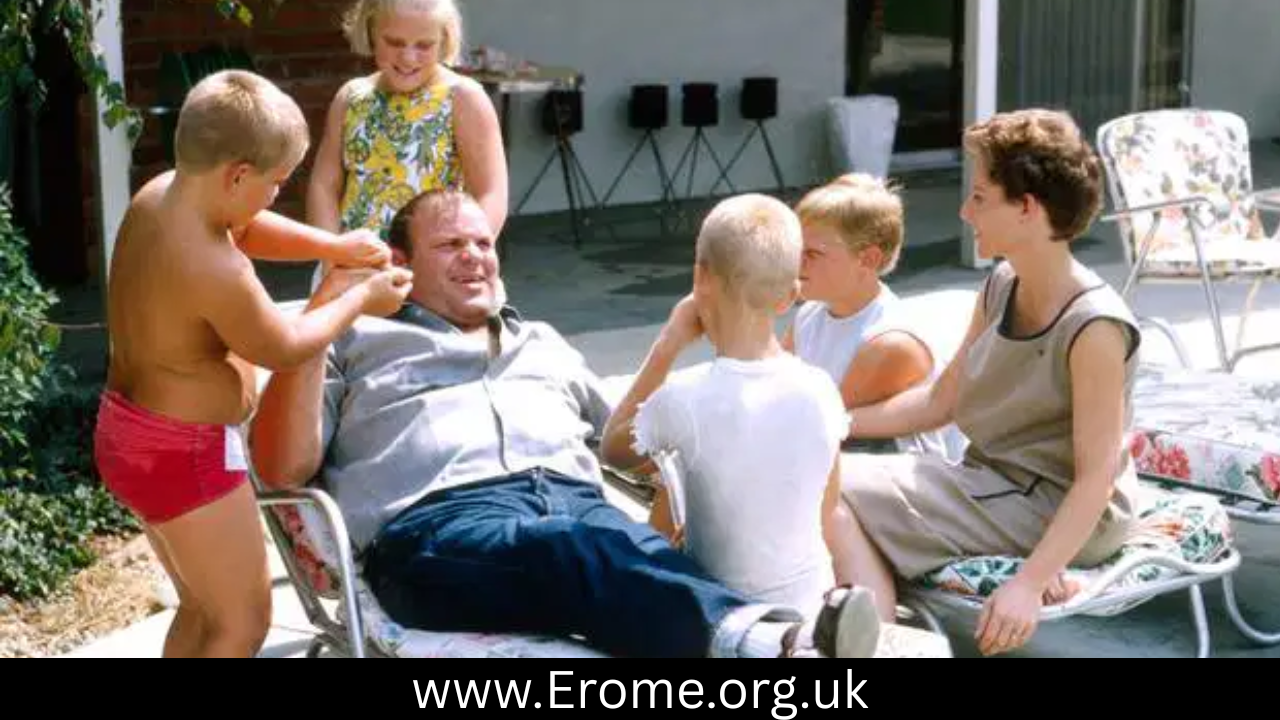
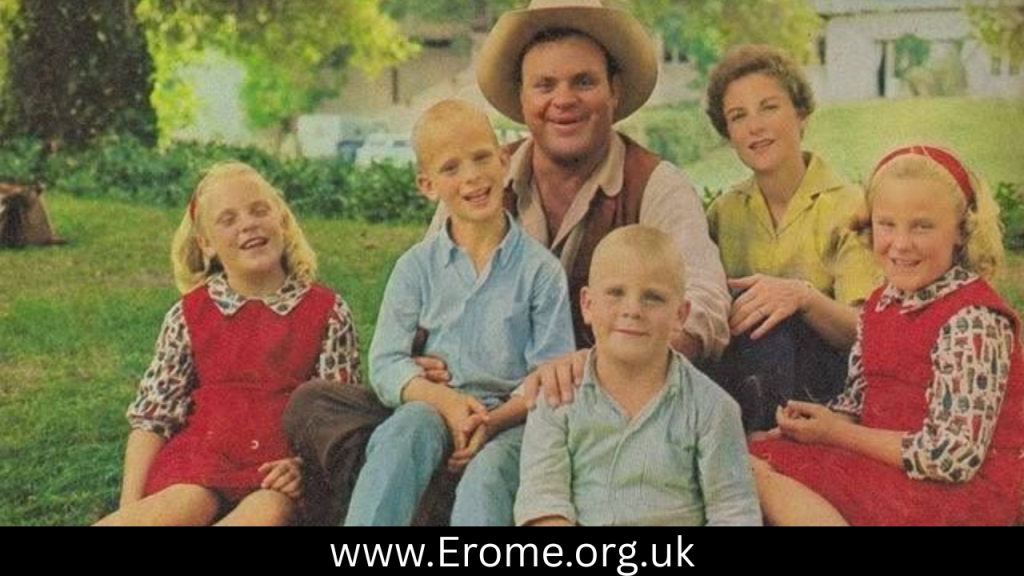
    When fans think of Bonanza, one name instantly comes to mind: Dan Blocker, the gentle giant who brought the beloved Hoss Cartwright to life. But behind every great man is often a remarkable woman whose influence shapes his path. For Dan, that woman was Dolphia Parker Blocker. Though she lived much of her life out of the spotlight, her story is one of love, dedication, and quiet strength—a story that deserves to be told.

    Quick Bio of Dolphia Parker Blocker

    DetailInformation
    Full NameDolphia Parker Blocker
    Date of Birth1932
    Place of BirthLikely Texas, USA
    Date of DeathOctober 14, 2018
    Age at Death89
    HeightN/A (Not publicly recorded)
    SpouseDan Blocker (married September 25, 1952 – Dan’s death in 1972)
    ChildrenDebra Lee Blocker, Danna Lynn Blocker (twins), David Blocker, Dirk Blocker
    Notable Family MembersHusband: Dan Blocker; Son: David Blocker (Emmy-winning producer); Son: Dirk Blocker (actor, Brooklyn Nine-Nine)
    EducationSul Ross State University, Alpine, Texas
    OccupationHomemaker, family supporter
    Net WorthEstimated private (not publicly recorded)

    Early Life and Education

    Dolphia Parker Blocker was born in 1932, growing up in a period when life was simpler yet full of its own unique challenges. She pursued higher education at Sul Ross State University in Alpine, Texas. It was here that destiny would intervene and connect her life with Dan Blocker. University life in the early 1950s wasn’t just about textbooks and lectures—it was about theater productions, friendships, and discovering passions. For Dolphia, this environment would prove life-changing.

    Meeting Dan Blocker: A Love Story Begins

    The story of Dolphia and Dan’s first meeting has been recounted in family anecdotes and remains both charming and humorous. The two first crossed paths during a rehearsal of the play Arsenic and Old Lace. Dolphia was part of the stage crew, managing props, cues, and the chaos behind the scenes. Dan, who at the time was more focused on football and not yet pursuing acting, was rehearsing on stage. According to family lore, Dolphia had to ask Dan to either quiet down or leave the rehearsal. That brief encounter—part discipline, part attraction—sparked a connection that would last a lifetime.

    They married on September 25, 1952, just two days after Dan returned from serving in the Korean War. Their love was built on mutual respect, shared humor, and a recognition of each other’s potential. Dolphia, in particular, saw something extraordinary in Dan, a charm and charisma that she believed could translate to the stage and screen.

    Read More: Amelia Jane Henson: The Young Star with Legendary Roots

    The Influence of Dolphia on Dan Blocker’s Career

    While Dan Blocker is remembered for his roles on television and in film, Dolphia played an instrumental role in steering him toward acting. Initially, Dan had a focus on football and had even played at the collegiate level. But Dolphia recognized that his larger-than-life presence and natural warmth were perfect for performance. She encouraged him to explore acting opportunities, subtly guiding him toward the career that would define him.

    Many accounts suggest that without Dolphia’s encouragement, Hollywood might have missed out on one of its most beloved characters. She believed in nurturing talent quietly, offering advice and emotional support that allowed Dan to pursue his dreams with confidence.

    Family Life: Raising the Blocker Children

    Dolphia and Dan Blocker had four children together, and family was always at the center of Dolphia’s world. Their first children were Debra Lee and Danna Lynn, twins born in 1953. The twins grew up with a household filled with laughter, love, and the occasional chaos that comes with a father who was a television star and a mother deeply devoted to her family.

    Two years later, David Blocker was born in 1955. David followed his father’s creative footsteps but behind the camera, eventually becoming an Emmy-winning producer. Their youngest child, Dirk Blocker, was born in 1957. Dirk chose the path of acting and became best known for his role as Detective Hitchcock on the hit series Brooklyn Nine-Nine.

    Dolphia’s role as a mother went beyond ordinary parenting. She provided stability, encouragement, and guidance, especially given the fame and public attention surrounding her husband. Raising four children while supporting a Hollywood career required patience, resilience, and a love that knew no bounds.

    Life After Dan Blocker’s Death

    Tragedy struck the Blocker family in 1972 when Dan Blocker passed away unexpectedly at the age of 43. For Dolphia, life changed dramatically. She faced the daunting challenge of raising their children without the support of her husband while keeping their family life private and protected from the public eye.

    Dolphia largely withdrew from the entertainment world, choosing instead to focus on her family. She ensured that her children grew up with strong values, a sense of purpose, and the ability to pursue their own dreams. In many ways, her influence extended far beyond her husband’s career; she shaped the next generation of the Blocker family into successful, compassionate, and creative individuals.

    Legacy of Dolphia Parker Blocker

    Although Dolphia never sought the spotlight, her legacy is profound. She was a pillar of strength for her family and played an essential role in Hollywood history, albeit behind the scenes. Her encouragement helped launch the career of one of television’s most iconic actors, and her dedication ensured that her children thrived in their chosen paths.

    Her quiet but powerful influence is felt even today. From the Emmy-winning work of David Blocker to the memorable performances of Dirk Blocker, Dolphia’s fingerprints can be seen in the creative successes of her family.

    Personality and Character

    Those who knew Dolphia described her as nurturing, practical, and fiercely supportive. She had a remarkable ability to balance discipline with warmth, guiding her children while letting them explore their passions. Her sense of humor and love of family made her a beloved figure at home, even if she remained largely unknown to the public.

    Friends and family often recalled her patience and insight, noting that she had a knack for identifying potential in others and helping them realize it. This was particularly evident in her support of Dan’s transition from football to acting.

    Children’s Achievements

    Dolphia’s children have carried forward her legacy in remarkable ways:

    • Debra Lee and Danna Lynn Blocker: The twins, born in 1953, have maintained a relatively private life, focusing on family and personal pursuits.
    • David Blocker: Born in 1955, David has become an Emmy-winning producer with a significant impact in Hollywood, continuing the creative lineage of the Blocker family.
    • Dirk Blocker: Born in 1957, Dirk pursued acting, eventually becoming widely recognized for his role as Detective Hitchcock in Brooklyn Nine-Nine. He often cites his mother’s influence in shaping his career path and personal character.

    Later Years and Passing

    Dolphia lived a long and fulfilling life, devoted to her children and family. Even after the fame of her husband, she remained grounded and focused on what mattered most—her family’s happiness and well-being. She passed away on October 14, 2018, at the age of 89, leaving behind a legacy of love, resilience, and quiet influence.

    Remembering Dolphia Parker Blocker

    Dolphia Parker Blocker’s story is a reminder that influence and legacy are not always about public accolades or fame. Sometimes, the most profound impact comes from the support, guidance, and love we provide to those around us. Her life exemplifies how quiet strength can shape not only the lives of loved ones but also contribute to cultural history in ways that aren’t immediately visible.

    Her children and grandchildren continue to honor her memory, sharing stories of her wisdom, humor, and unwavering dedication. Though she may not have appeared on screen, Dolphia’s role in Hollywood history—and in the lives of those who knew her—is undeniable.

    FAQs:

    1. Who was Dolphia Parker Blocker?

    Dolphia Parker Blocker was the wife of actor Dan Blocker, known for his role as Hoss Cartwright on Bonanza. She was a homemaker and mother to four children, including Emmy-winning producer David Blocker and actor Dirk Blocker.

    2. When did Dolphia Parker Blocker die?

    She passed away on October 14, 2018, at the age of 89.

    3. How did Dolphia meet Dan Blocker?

    They met while students at Sul Ross State University in Alpine, Texas, during a rehearsal of the play Arsenic and Old Lace. She was part of the stage crew and initially asked Dan to be quiet during rehearsal.

    4. Did Dolphia Parker Blocker influence Dan Blocker’s career?

    Yes, she encouraged Dan to pursue acting instead of football, recognizing his charisma and potential for success on stage and screen.

    5. Who are Dolphia Parker Blocker’s children?

    Her children are Debra Lee and Danna Lynn Blocker (twins), David Blocker (Emmy-winning producer), and Dirk Blocker (actor, Brooklyn Nine-Nine).

    Explore the latest entertainment news and reviews at Erome.

  • Amelia Jane Henson: The Young Star with Legendary Roots

    Amelia Jane Henson: The Young Star with Legendary Roots

    Amelia Jane Henson, born in 2005, might still be in her early twenties, but her name carries an extraordinary legacy in the world of entertainment. With the kind of family background that belongs in Hollywood’s history books, Amelia’s life is interwoven with film, television, and one of the most iconic puppet creations in history: The Muppets.

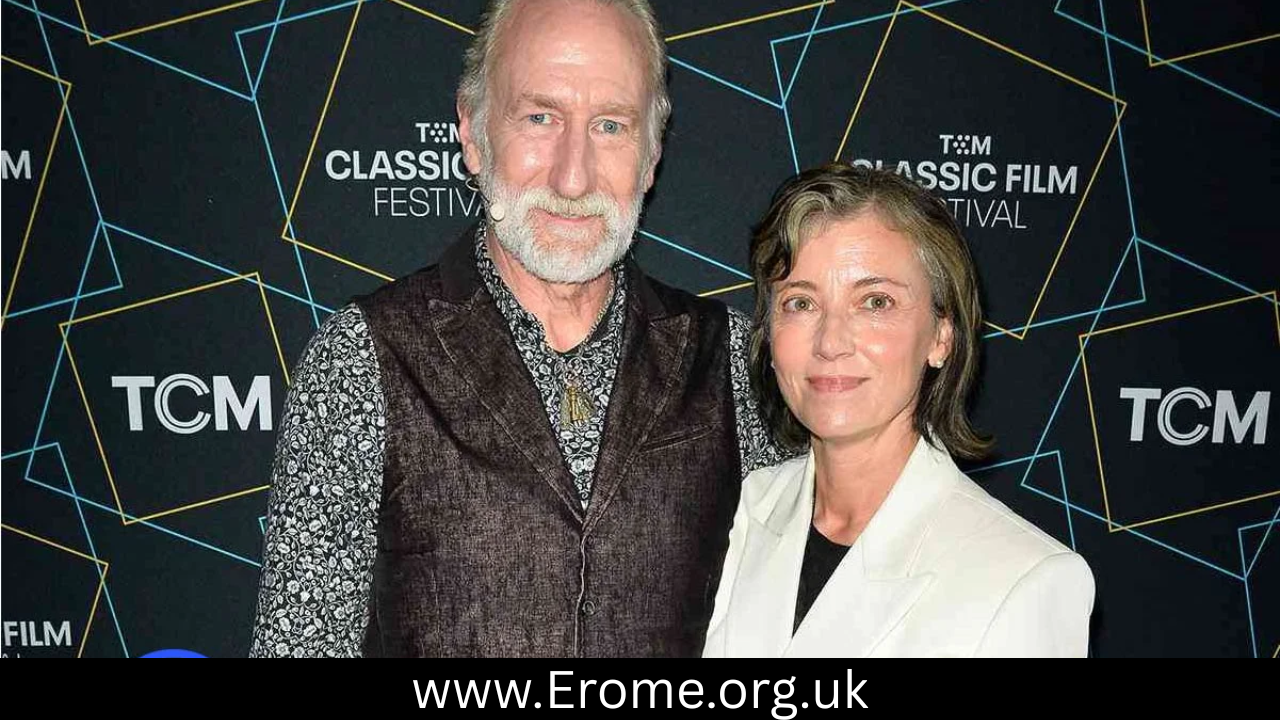
    Being the daughter of actress Mia Sara and filmmaker Brian Henson, Amelia grew up surrounded by creative energy, imagination, and a strong sense of family tradition. Her story is not just about her lineage, though—it’s also about a young woman navigating life in the shadow of a legendary family while finding her own path.

    Quick Bio Table

    DetailInformation
    Full NameAmelia Jane Henson
    Birth Year2005
    Age21 years (as of 2026)
    ParentsMia Sara (Mother), Brian Henson (Father)
    GrandparentsJim Henson, Jane Henson
    SiblingsHalf-brother: Dashiell Connery
    HeightApprox. 5’5” (estimated)
    ProfessionStudent / Emerging Public Figure
    Net WorthNot publicly disclosed (family wealth connected to The Jim Henson Company and Mia Sara’s acting career)
    NationalityAmerican
    Family in EntertainmentHeather Henson (aunt), Lisa Henson (aunt), Cheryl Henson (aunt), John Henson (late uncle)
    Notable Family AchievementsGrandfather Jim Henson – creator of The Muppets; Brian Henson – chairman of The Jim Henson Company and director/puppeteer; Mia Sara – actress known for Ferris Bueller’s Day Off

    Early Life and Family Background

    Amelia Jane Henson was born into an extraordinary family in 2005. Her mother, Mia Sara, gained fame for her role as Sloane Peterson in the classic Ferris Bueller’s Day Off, making her a household name in the late 1980s. Her father, Brian Henson, is not just any filmmaker; he is the chairman of The Jim Henson Company and a talented puppeteer and director. Amelia’s grandfather, Jim Henson, needs little introduction—he’s the mastermind behind The Muppets, one of the most influential and beloved creations in entertainment history. Her grandmother, Jane Henson, was equally integral, co-creating many of the early Muppet characters and performances alongside Jim.

    Growing up, Amelia was surrounded by a mix of Hollywood glamour and creative genius. Imagine family gatherings with discussions about puppetry, film projects, and iconic characters like Kermit the Frog and Miss Piggy—it’s a childhood that few could even dream of.

    Amelia also has a half-brother, Dashiell Connery, the son of Mia Sara and actor Jason Connery. Her extended family includes Heather, Lisa, Cheryl, and the late John Henson, all of whom have contributed to the Henson legacy in their own unique ways. Whether it’s film production, puppetry, or philanthropy related to the arts, creativity seems to be a family trait that Amelia was born into.

    Read More: Blake Anderson Hanley: A Unique Blend of Music and Law

    Education and Growing Up

    While there isn’t a ton of public information about Amelia’s schooling, given her family’s resources and dedication to arts and education, it’s reasonable to assume she’s had a supportive and enriching upbringing. Children of high-profile creative families often grow up with exposure to arts, music, and performance from a very young age, which shapes not just their skills but also their appreciation for storytelling and expression.

    Amelia’s upbringing likely combined traditional academics with opportunities to explore her family’s creative world, from puppet workshops to film sets. Even at a young age, she would have had a front-row seat to the magic behind The Jim Henson Company’s productions, giving her a unique perspective that few teenagers can claim.

    Family Influence on Amelia

    Amelia Jane Henson’s life has been deeply influenced by the incredible achievements of her parents and grandparents. The Henson family is more than just a collection of famous names—they are pioneers in creativity, storytelling, and puppetry.Her father, Brian Henson, has continued the family legacy by expanding The Jim Henson Company into film and television projects that honor Jim and Jane’s original vision while pushing the art form forward. Brian’s work in puppetry and film direction has undoubtedly exposed Amelia to the intricacies of performance, storytelling, and behind-the-scenes production.

    Her mother, Mia Sara, brought her own experiences from Hollywood, particularly from her iconic role in Ferris Bueller’s Day Off, which continues to resonate with fans decades later. Mia’s career gave Amelia a first-hand understanding of the challenges and triumphs of working in the entertainment industry.

    Even her extended family has played a role. Amelia’s aunts and uncles have been involved in production, puppetry, and arts advocacy. The late John Henson, for example, was well-known as a television host and comedian. The Henson name carries weight in creative circles, and Amelia has been immersed in this environment from birth.

    Public Appearances and Media Attention

    As a private individual, Amelia Jane Henson hasn’t been in the spotlight as much as her parents or grandparents. However, the public and media have shown interest in her simply because of her lineage. Fans of The Muppets and classic Hollywood films are often curious about the descendants of such iconic figures.

    Amelia’s appearances tend to be at family events or industry-related functions where she is accompanied by her parents. Unlike many children of celebrities, she has maintained a relatively low profile, focusing on personal growth rather than public fame. This approach has allowed her to enjoy aspects of a normal childhood while being aware of her family’s legacy.

    Personal Life and Interests

    Although Amelia is still young, her exposure to art, film, and creativity from an early age has likely shaped her interests. Growing up with a father who is a director and puppeteer and a mother who is an accomplished actress, Amelia has been immersed in storytelling, performance, and artistic expression.

    While she hasn’t publicly pursued a career in acting or puppetry, she might still explore creative endeavors in the future. Her family environment has nurtured curiosity, imagination, and a strong sense of personal identity, which are crucial for anyone considering a career in entertainmentamelia jane henson.

    Her half-brother, Dashiell Connery, adds another layer to her family life, giving her experiences of siblinghood in a blended family dynamic. These relationships often help shape empathy, resilience, and interpersonal skills, which are invaluable traits in both personal and professional life.

    Legacy and the Henson Influence

    Amelia Jane Henson’s life is deeply intertwined with the Henson legacy. The impact of her grandfather, Jim Henson, cannot be overstated. The Muppets changed the landscape of television and film, and they continue to influence children and adults worldwide. Jane Henson’s contributions are equally important, particularly in mentoring performers and preserving the integrity of the craft.

    Amelia’s father, Brian, carries the torch forward. By leading The Jim Henson Company, he ensures that the family’s vision continues while introducing new generations to the magic of puppetry and storytelling. Amelia is therefore not just part of a famous family—she is a link in a chain of creativity that spans generations.

    Being part of such a lineage comes with unique pressures and opportunities. While Amelia may choose a private life, the creative environment she grew up in provides endless possibilities. Whether she follows in her parents’ footsteps or carves out her own path, the influence of her family will always be a guiding force.

    Fun Facts About Amelia Jane Henson

    1. Amelia’s grandfather Jim Henson created beloved characters like Kermit the Frog, Miss Piggy, and The Swedish Chef.
    2. Her mother, Mia Sara, was a teen icon thanks to Ferris Bueller’s Day Off, which remains a cult classic.
    3. Amelia’s father, Brian Henson, is known for combining puppetry with modern filmmaking, continuing the family’s legacy innovatively.
    4. She has a half-brother, Dashiell Connery, who is also connected to Hollywood through his father, Jason Connery.
    5. Amelia’s extended family includes Heather, Lisa, and Cheryl Henson, who are all active in arts, production, and philanthropy.

    What the Future Holds

    Although Amelia Jane Henson is still in her early twenties, the world is undoubtedly curious about what she will do next. Will she pursue acting like her mother, delve into filmmaking like her father, or perhaps explore a completely new field? Whatever path she chooses, her upbringing has equipped her with creativity, insight, and a unique perspective on storytelling.

    With such an illustrious family background, Amelia has the freedom to explore multiple career avenues without the usual pressures that come with starting from scratch. Whether in arts, philanthropy, or another venture entirely, Amelia has the potential to make a name for herself while honoring her family’s legendary legacy.

    Conclusion

    Amelia Jane Henson is a young woman with a remarkable heritage, balancing the legacy of the Henson family with the normal challenges of growing up. She is part of one of the most creative families in entertainment history, yet she maintains a low profile and focuses on her personal growth.

    Her story is one of family, creativity, and potential. Amelia may not yet be a household name herself, but she carries the weight of an extraordinary legacy with grace and promise. The Henson name has already left an indelible mark on the world, and Amelia Jane Henson may well continue that tradition in her own unique way.

    With her blend of lineage, upbringing, and opportunities, Amelia represents both the continuation of a creative dynasty and the potential for a fresh, new chapter in the Henson story. Fans of The Muppets, classic Hollywood, and innovative filmmaking will likely watch with interest as this young member of the Henson family grows into her own.

    FAQs:

    1. Who are Amelia Jane Henson’s parents?

    Amelia Jane Henson is the daughter of actress Mia Sara, known for her role as Sloane Peterson in Ferris Bueller’s Day Off, and filmmaker Brian Henson, who is the chairman of The Jim Henson Company and a talented puppeteer and director.

    2. Is Amelia Jane Henson related to the creators of The Muppets?

    Yes! Amelia is the granddaughter of Jim Henson and Jane Henson, the legendary creators of The Muppets. Her family has played a huge role in shaping the entertainment and puppetry world.

    3. Does Amelia Jane Henson have any siblings?

    Amelia has a half-brother, Dashiell Connery, who is the son of her mother, Mia Sara, and actor Jason Connery. She also has a large extended family involved in the arts, including her aunts Heather, Lisa, and Cheryl Henson, and her late uncle John Henson.

    4. How old is Amelia Jane Henson?

    Amelia was born in 2005, which makes her 21 years old as of 2026.

    5. Has Amelia Jane Henson started her own career in entertainment?

    As of now, Amelia has kept a low profile and hasn’t pursued a public career in entertainment yet. However, growing up in a family immersed in acting, puppetry, and filmmaking has given her a unique perspective and opportunities for creative exploration in the future.

    Explore the latest entertainment news and reviews at Erome.
  • Blake Anderson Hanley: A Unique Blend of Music and Law

    Blake Anderson Hanley: A Unique Blend of Music and Law

    Blake Anderson Hanley is a talented American musician and family law attorney whose life reflects a rare blend of creativity and dedication. Balancing two very different professions, Blake has built a reputation not only for his artistic talents but also for his commitment to helping families navigate complex legal matters. His journey is an inspiring example of how passion, discipline, and a love for both art and justice can coexist in one extraordinary life.

    Quick&Bio

    AttributeDetails
    Full NameBlake Anderson Hanley
    ProfessionMusician, Family Law Attorney
    NationalityAmerican
    Early LifeBorn in the United States; developed an early interest in music
    EducationCompleted basic education and pursued a law degree specializing in family law
    CareerMusician performing original compositions; Family law attorney helping clients in legal disputes
    Notable WorksMultiple music projects; high-profile family law cases
    Awards & RecognitionPraised in both music and law for creativity, dedication, and professionalism
    PhilanthropyParticipates in charity events, benefit concerts, and legal aid programs
    Personal LifeValues family, personal relationships, and hobbies outside work
    LegacyKnown for blending creativity with professionalism and inspiring others to pursue multiple passions

    Who is Blake Anderson Hanley

    Blake Anderson Hanley is best known for his dual career as a musician and family law attorney. While most people focus on one professional path, Blake has managed to excel in two very demanding fields. As a musician, he expresses himself through melody, lyrics, and performance, creating music that resonates with his audience. On the other hand, his legal career allows him to advocate for families, offering guidance, support, and solutions in emotionally challenging situations.

    His ability to balance these careers shows his versatility and determination. Fans and colleagues alike admire his commitment to both his art and his professional responsibilities, making him a well-rounded individual who continues to inspire others.

    Early Life

    Blake Anderson Hanley was born in the United States, where he spent his formative years surrounded by family and music. From a young age, he exhibited a deep interest in creative expression. Music was not just a hobby; it was a way for Blake to explore his thoughts, emotions, and imagination.

    Growing up, he was influenced by a variety of musical styles, from classic rock to contemporary pop, which shaped his artistic identity. His early experiences in school and local music programs helped him develop discipline, creativity, and a love for performance. These early foundations would later play a significant role in his music career.

    Education

    Education played an important role in Blake Anderson Hanley’s life, allowing him to pursue his diverse interests. He attended reputable schools where he excelled academically while nurturing his passion for music. His strong educational background provided the tools he needed to succeed in law and helped him develop critical thinking, research skills, and analytical abilities.

    After completing his basic education, Blake pursued a law degree, specializing in family law. This rigorous program required dedication and focus, qualities that he had already demonstrated through his musical pursuits. His educational journey is a testament to his ability to manage multiple goals simultaneously, balancing creativity and discipline.

    Career and Achievements

    Blake Anderson Hanley’s career is unique because it spans two very different worlds: music and law.

    As a musician, Blake has composed and performed numerous pieces that reflect his personal experiences, emotions, and creativity. His music resonates with fans who appreciate not only his talent but also the authenticity he brings to every song. Performing in various venues, he has built a reputation for being a passionate and engaging artist.

    In the legal field, Blake is a respected family law attorney. He works with families facing challenges such as divorce, custody disputes, and other legal matters that require empathy and precision. His clients value his ability to listen, understand, and provide clear guidance, which has earned him recognition in his professional community.

    Blake’s achievements in both fields highlight his versatility. Balancing music and law is no small feat, and his success demonstrates his commitment, resilience, and talent.

    Personal Life

    Despite a busy career, Blake Anderson Hanley values family and personal relationships. He believes that maintaining a strong support system is essential for personal growth and professional success. Blake’s personal life often influences his music, providing inspiration for lyrics and melodies that connect deeply with his audience.

    Outside of work and music, Blake enjoys hobbies that allow him to relax and recharge. He is known for being approachable, down-to-earth, and deeply committed to the people around him, which adds to his overall appeal as a public figure.

    Notable Works / Projects

    Blake’s music career includes several notable works that have resonated with fans and critics alike. While he enjoys experimenting with different styles, his music often combines heartfelt lyrics with innovative melodies, creating songs that are both catchy and meaningful.

    In his legal career, Blake has been involved in projects and cases that highlight his commitment to family law. He has guided numerous clients through difficult times, providing solutions that prioritize the well-being of children and families. His ability to navigate sensitive situations with professionalism and compassion has earned him respect among peers and clients.

    Awards and Recognition

    Blake Anderson Hanley has received recognition in both his professional fields. In music, he has been praised for his creativity, dedication, and the emotional depth of his work. His performances have attracted positive attention from fans and industry professionals alike.

    In law, Blake’s achievements include accolades for his work in family law. His clients’ testimonials and peer recognition speak to his skills, ethics, and unwavering commitment to justice. Balancing success in two demanding careers is no easy task, but Blake continues to excel in both arenas.

    Philanthropy and Social Work

    Beyond his careers, Blake is known for his philanthropic efforts and community involvement. He believes in giving back, whether through music initiatives, educational programs, or legal support for those in need. His work in social causes reflects his understanding that success is meaningful only when it positively impacts others.

    Blake has participated in charity events, benefit concerts, and legal aid programs, demonstrating his desire to use his talents and expertise to make a difference. His philanthropic efforts complement his professional life, showing that his commitment to helping others goes beyond the workplace.

    Legacy and Impact

    Blake Anderson Hanley’s legacy lies in his unique ability to merge creativity with professionalism. By excelling in both music and law, he demonstrates that it is possible to pursue multiple passions while making a positive impact on the world. His influence extends beyond his careers, inspiring others to embrace their talents and work hard to achieve their dreams.

    Whether through a heartfelt song or a legal solution that changes a family’s life, Blake Anderson Hanley continues to leave a mark. His story is a reminder that dedication, creativity, and empathy can coexist, creating a life that is not only successful but also meaningful.

    Conclusion:

    Blake Anderson Hanley exemplifies the rare ability to combine artistry with professionalism. His journey as both a musician and family law attorney shows that passion, discipline, and dedication can coexist in a meaningful and impactful life. Beyond his personal achievements, Blake’s commitment to family law, music, and community service highlights his desire to leave a positive mark on the world. Whether through his music that touches hearts or his legal work that supports families, Blake Anderson Hanley continues to inspire those who admire versatility, hard work, and authenticity. His story reminds us that embracing multiple passions can lead to a fulfilling and extraordinary life.

    FAQs:

    Q1: Who is Blake Anderson Hanley?
    A: Blake Anderson Hanley is an American musician and family law attorney known for his unique combination of creative talent and legal expertise.

    Q2: What is Blake Anderson Hanley famous for?
    A: He is recognized for his work in music and his career as a family law attorney, excelling in both fields simultaneously.

    Q3: Where was Blake Anderson Hanley born?
    A: He was born and raised in the United States.

    Q4: What type of music does Blake Anderson Hanley create?
    A: Blake creates music that blends heartfelt lyrics with innovative melodies, inspired by his personal experiences and emotions.

    Q5: What areas of law does Blake Anderson Hanley specialize in?
    A: He specializes in family law, assisting clients with divorce, custody disputes, and other family-related legal matters.

    Q6: Has Blake Anderson Hanley received any awards?
    A: Yes, he has been recognized for his contributions in both music and family law, earning praise for creativity, dedication, and professionalism.

    Q7: Does Blake Anderson Hanley engage in philanthropy?
    A: Yes, he participates in charity events, educational programs, benefit concerts, and legal aid initiatives to support communities in need.

    Q8: What makes Blake Anderson Hanley unique?
    A: His ability to balance two very demanding careers while maintaining excellence, authenticity, and a positive impact on others sets him apart.

  • Sinpcity: Where Fandom Meets Content Piracy

    Sinpcity: Where Fandom Meets Content Piracy

    In the vast landscape of the internet, a curious phenomenon has emerged that combines our love for exclusive content with the darker side of digital access. That phenomenon is Sinpcity. It’s not a mainstream site you hear about on the news, but it thrives in corners of the web where anonymity, fan obsession, and a demand for rare content intersect. Let’s dive into what Sinpcity is, why it exists, and what makes it both fascinating and controversial.

    What Is Sinpcity?

    At its core, Sinpcity is a mix of internet fandom and content piracy. It’s a place where people come together to share, trade, and access media that is often hard to find or officially restricted. This could include rare shows, movies, music, games, or other types of media that aren’t easily available through official channels.

    Unlike traditional streaming platforms or official fan sites, Sinpcity operates in a gray area of the internet. Users can access content anonymously, often without paying, which makes it appealing but also legally risky.

    Why Sinpcity Exists

    There are several reasons why Sinpcity has become so popular. Understanding these reasons gives insight into both human behavior and the modern internet culture.

    1. Anonymity

    One of the biggest factors that allow Sinpcity to thrive is anonymity. People feel safer exploring and sharing content without revealing their identities. This sense of invisibility encourages more participation.

    Unlike social media platforms where real names or personal details are often linked to activity, Sinpcity users can interact, post, and download without fear of judgment—or immediate legal consequences. This freedom is addictive and draws in a crowd that might not engage with mainstream fandom communities.

    2. High Demand for Exclusive Material

    Fandom culture thrives on exclusivity. Fans want to be the first to see new releases, rare edits, or behind-the-scenes content. Sinpcity caters to this need.

    For example, limited edition digital content, early releases of movies or games, and hard-to-find fan creations often appear first—or only—on platforms like Sinpcity. The excitement of “having it before everyone else” fuels traffic and engagement.

    3. Weak Legal Oversight

    While copyright laws exist, enforcement in the digital age is complicated. Many platforms like Sinpcity exist in regions or servers where oversight is minimal. This lack of strong legal action allows these platforms to operate for longer periods without being shut down.

    This weak legal oversight also means users often feel a sense of invincibility—they can access content without immediate repercussions, which makes piracy culturally normalized in these spaces.

    The Community Behind Sinpcity

    Contrary to the negative connotations of piracy, Sinpcity is driven by a strong community. Users are often highly knowledgeable about the content they share, and discussions about media, fan theories, or obscure editions are common.

    Fandom Culture

    The platform merges traditional fandom spaces with underground sharing networks. People who might be casual fans elsewhere often become deeply involved when they discover rare content. Sharing, commenting, and trading become social activities.

    Skill Sharing

    Interestingly, Sinpcity also encourages technical skills. Users often learn how to rip media, convert file formats, or troubleshoot access issues. This technical know-how becomes part of the culture, creating a community that thrives on both content and skill-sharing.

    The Ethics of Sinpcity

    It’s impossible to discuss Sinpcity without acknowledging the ethical issues. On one hand, it democratizes access to content that may otherwise be unavailable due to regional restrictions or cost. On the other hand, it clearly violates copyright laws and deprives creators of their revenue.

    Pros

    • Fans gain access to rare or unavailable content.
    • Communities are formed around shared interests.
    • Users develop technical skills.

    Cons

    • Piracy can harm content creators financially.
    • Legal consequences exist for both platforms and users.
    • Not all content is safe—some files may contain malware.

    This duality makes Sinpcity both a fascinating study of internet culture and a cautionary tale about the costs of bypassing legal channels.

    Why People Keep Coming Back

    Despite the risks, people keep returning to Sinpcity for several reasons:

    • Exclusivity: Fans love the feeling of being “in the know.”
    • Community: The social aspect of sharing and discussing content keeps users engaged.
    • Freedom: There are no rules about what can be posted or accessed compared to mainstream platforms.
    • Cost: Free access to content is always a strong incentive.

    These factors create a self-reinforcing cycle where more users bring more content, which attracts more users, and so on.

    How Sinpcity Differs from Traditional Platforms

    Traditional streaming services or official fan pages operate with licenses, strict moderation, and subscription models. Sinpcity breaks these conventions.

    • No subscriptions required: Everything is often free.
    • Unrestricted content: There are fewer limits on what can be shared.
    • Anonymity-first: Users don’t need to disclose personal information.
    • Community-driven: Unlike mainstream platforms, content selection is driven by user demand and contribution, not corporate strategy.

    This freedom comes at a price: lack of regulation, potential security risks, and the ethical dilemmas associated with piracy.

    The Dark Side of Sinpcity

    While Sinpcity sounds like a dream for fans, it has undeniable risks.

    Malware and Scams

    Files shared on such platforms aren’t always safe. Some may contain malware, viruses, or phishing links. Users must be cautious, as the thrill of exclusive content sometimes overrides basic safety measures.

    Legal Risks

    Although enforcement is inconsistent, piracy is still illegal. Users and platform operators can face fines or even criminal charges in some jurisdictions.

    Exploitation of Creators

    Content creators, especially smaller ones, often lose revenue when their work is shared illegally. This can discourage artists from producing new content or make them more cautious about distributing online.

    The Future of Platforms Like Sinpcity

    The future of Sinpcity is uncertain but intriguing. With increasing awareness of digital rights, platforms like this may face stricter regulations. Yet, as long as there’s demand for exclusive content, there will likely be underground networks.

    We might see a shift toward hybrid models where some content is legally shared with incentives, while underground platforms continue to cater to the most dedicated fans. Technology, law, and fandom culture will continue to collide in fascinating ways.

    Conclusion

    Sinpcity is more than just a piracy hub. It’s a reflection of modern internet culture—a mix of fandom obsession, the lure of exclusive content, and the dark allure of anonymity. While it’s tempting to dismiss it as “illegal sharing,” it’s important to see why it exists and why it thrives.

    It’s a space where community, skill-sharing, and fan passion intersect with ethical dilemmas and legal ambiguity. Whether Sinpcity will continue to grow or eventually fade under legal scrutiny, it serves as a powerful example of how the internet has changed the way we access, share, and value content.

  • Soutaipasu: Finding the Perfect Balance Between Structure and Flexibility

    Soutaipasu: Finding the Perfect Balance Between Structure and Flexibility

    Soutaipasu is a concept that quietly speaks to many areas of our lives, even if we don’t always name it out loud. At its core, soutaipasu emphasizes the balance between structure and flexibility. A rigid system cannot adapt to unexpected changes, while a completely unstructured approach often leads to confusion, inefficiency, or collapse. Somewhere in the middle lies soutaipasu — a way of thinking and acting that values order without suffocation and freedom without chaos.

    We’ll explore what soutaipasu really means, where it comes from as an idea, how it applies to everyday life, work, technology, and personal growth, and why we believe it matters more now than ever before.

    Quick Info About Soutaipasu

    Soutaipasu is not a strict rulebook or a fixed method. It’s more of a mindset. It encourages us to design systems, habits, and decisions that are strong enough to stand firm yet flexible enough to evolve. Whether we are talking about businesses, creative work, learning, relationships, or even personal routines, soutaipasu reminds us that balance is not static. It’s something we actively maintain.

    Understanding the Core Idea of Soutaipasu

    At its heart, soutaipasu is about avoiding extremes. We’ve all seen what happens when things become too rigid. Rules become more important than results. Processes are followed blindly. Innovation slows down. On the other hand, total flexibility without structure often leads to missed deadlines, unclear goals, and wasted energy.

    Soutaipasu lives in the space between these two extremes. It says we should build a clear framework, but leave room inside that framework for adaptation, creativity, and human judgment. We don’t abandon structure; we soften it just enough to allow growth.

    Why Balance Matters More Than Ever

    The world today changes fast. Markets shift, technology evolves, and social expectations transform almost overnight. Systems that worked perfectly a few years ago can suddenly feel outdated. This is where soutaipasu becomes especially valuable.

    If we cling too tightly to old structures, we struggle to respond to change. If we constantly reinvent everything without a foundation, we burn out and lose direction. Soutaipasu helps us stay grounded while still moving forward.

    Soutaipasu in Daily Life

    We often think of balance as something abstract, but soutaipasu shows up in small daily choices.Take routines, for example. A rigid routine can make life feel mechanical and stressful. A completely unplanned day can feel overwhelming and unproductive. With soutaipasu, we create routines that guide us but don’t trap us. We plan our day, but we allow space for rest, surprises, and adjustments.

    Even in personal goals, soutaipasu plays a role. We set clear targets, but we accept that the path toward them might change. We don’t quit just because things don’t go exactly as planned, and we don’t force progress when circumstances demand patience.

    Soutaipasu in Work and Business

    In the workplace, soutaipasu can be a game-changer. Traditional systems often rely heavily on strict hierarchies, rigid workflows, and fixed roles. While structure is necessary, too much of it can stifle creativity and slow decision-making.

    A soutaipasu-driven workplace values clear roles and expectations but also empowers people to think independently. Teams are given guidelines rather than micromanagement. Processes exist, but they can be improved or adjusted when better ideas emerge.

    This balance often leads to healthier work cultures. Employees feel trusted rather than controlled. Managers focus on outcomes instead of obsessing over every step. Over time, this approach builds resilience within the organization.

    Soutaipasu and Creativity

    Creativity thrives under constraints, but only the right kind. Total freedom can be paralyzing, while strict rules can crush imagination. Soutaipasu offers a creative sweet spot.

    When we apply soutaipasu to creative work, we set boundaries that guide our efforts without limiting expression. A writer might follow a basic outline but allow the story to evolve naturally. A designer might work within a brand system but explore fresh visual ideas.We don’t force creativity to follow a straight line. We give it direction and then let it breathe.

    Soutaipasu in Learning and Growth

    Learning is another area where soutaipasu shines. Traditional education systems often rely on rigid curricula and standardized methods. While structure is important for building foundational knowledge, people learn differently.

    With soutaipasu, learning becomes adaptive. We set learning goals, but we adjust methods based on progress and interest. We combine discipline with curiosity. We respect schedules, but we also allow deeper exploration when something sparks genuine interest.This approach makes learning more sustainable and enjoyable. It shifts the focus from memorization to understanding.

    Soutaipasu in Technology and Systems

    Modern technology offers countless examples of systems that either succeed or fail based on their balance between structure and flexibility.

    Software systems, for instance, need stable architecture, but they must also evolve. Overly rigid systems become difficult to update. Overly flexible systems can become unstable and insecure. Soutaipasu encourages thoughtful design — strong foundations with modular, adaptable components.Even in digital workflows, soutaipasu matters. Tools should guide users, not overwhelm them. Automation should support humans, not replace judgment entirely.

    Soutaipasu in Relationships

    Relationships also benefit from this balanced approach. Too many rules and expectations can make relationships feel suffocating. Too little structure can lead to misunderstandings and insecurity.

    Soutaipasu in relationships means setting healthy boundaries while remaining open and responsive. We communicate expectations, but we listen. We value commitment, but we respect individuality. This balance creates trust and long-term harmony.

    The Emotional Side of Soutaipasu

    Beyond systems and strategies, soutaipasu has an emotional dimension. It teaches us to be firm yet gentle with ourselves. We hold ourselves accountable, but we also forgive mistakes. We aim high, but we don’t punish ourselves for setbacks.

    This emotional balance helps reduce stress and burnout. Instead of swinging between perfectionism and avoidance, we stay centered.

    Common Mistakes When Trying to Apply Soutaipasu

    While the idea sounds simple, applying soutaipasu isn’t always easy. One common mistake is confusing flexibility with lack of discipline. Soutaipasu doesn’t mean doing whatever feels easiest. It means choosing adaptability within a clear framework.

    Another mistake is over-correcting. Sometimes, after experiencing rigidity, we swing too far toward chaos. Soutaipasu asks us to pause, reflect, and intentionally design balance rather than reacting emotionally.

    How We Can Practice Soutaipasu Intentionally

    Practicing soutaipasu starts with awareness. We look at our systems, habits, and decisions and ask simple questions. Is this too rigid? Is it too loose? What can we adjust?We can start small. Adjust a daily routine. Redesign a workflow. Reframe a personal goal. Over time, these small changes create a more balanced and resilient way of living and working.

    Why Soutaipasu Is a Long-Term Mindset

    Soutaipasu isn’t a one-time fix. It’s a long-term mindset that evolves with us. As our circumstances change, the balance point shifts. What worked last year might not work now, and that’s okay.By embracing soutaipasu, we accept that balance is dynamic. We stop chasing perfection and start aiming for alignment.

    The Bigger Picture of Soutaipasu

    On a broader level, soutaipasu reflects how we interact with the world. Societies, cultures, and communities also struggle with the tension between tradition and progress. Soutaipasu reminds us that honoring structure doesn’t mean resisting change, and embracing change doesn’t require abandoning our foundations.This idea can guide better decision-making at every level, from personal choices to collective systems.

    Final Thoughts

    Soutaipasu is a quiet but powerful idea. It doesn’t demand attention, but once understood, it reshapes how we think about balance. By valuing both structure and flexibility, we create systems that last, relationships that grow, and lives that feel both stable and alive.

    We don’t have to choose between control and freedom. With soutaipasu, we learn how to hold both at the same time.